


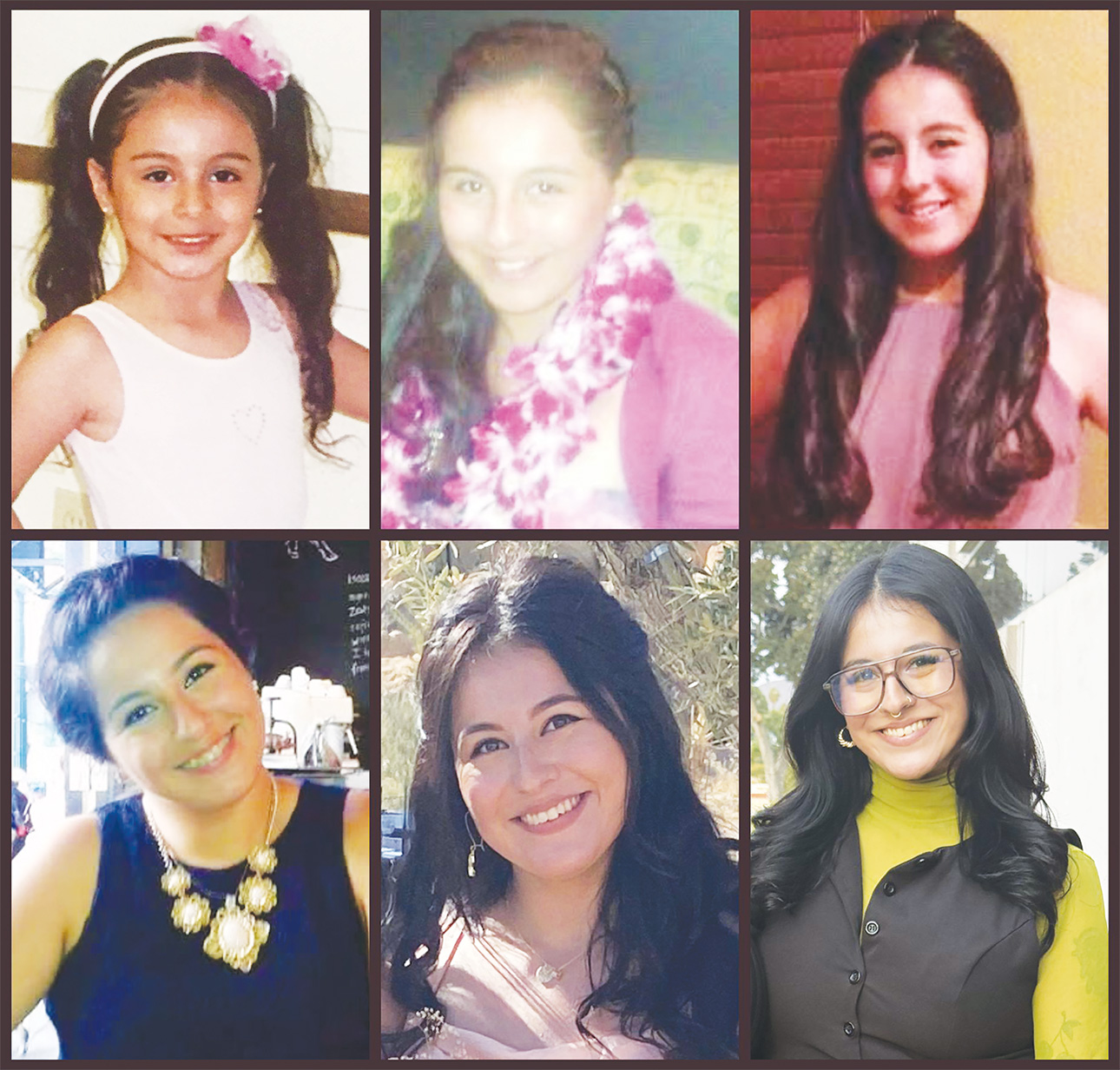
Yanelli Zavina Robles / The SWC Sun
A Perspective
I did more than just read the news. I relived it.
When allegations surrounding sexual abuse by Cesar Chavez began circulating, I read the New York Times article line by line. Word for word. Somewhere between the quotes and the details, my body responded before my mind could catch up. My chest tightened. My thoughts blurred. It was no longer just a story on a screen. It was a memory.
One quote completely stopped me in my tracks.
“Don’t tell anyone,” Chavez was quoted as telling 13-year-old Ana Murgia. “They’d get jealous.”
Murgia was barely a teenager when Chavez first molested her. As the abuse continued he repeated that manipulative line dozens of times over the years. It was an all-too-familiar pattern of emotional grooming.
That sentence is more than a newspaper quote to me. It is something I have heard before.
“Don’t tell your family or anyone. They wouldn’t understand. This is how I show my love.”
Those were the words that came out of the mouth of a family “friend” as the serial abuse began. It started with forced kisses on the mouth and digressed into inappropriate touching and groping. I was not the only child he assaulted.
The family “friend” told me he was once very involved raising his nieces. Until the day one of them mentioned his inappropriate behavior to another family member. He said the girls were warned to stay away because they thought “he was weird.”
It was a form of emotional manipulation also used by Chavez. Debbie Rojas, the second victim interviewed by The Times, was just 12 when he told her to stay away from the other boys because he would get jealous.
The family “friend” groped my prepubescent body while making comments that an adult should never say to a child. My prepubescent brain did not yet know how to spot manipulative emotional grooming. Most children can’t.
For survivors of sexual assault news can be more than information. Sometimes it is a trigger.
Research shows that survivors of sexual violence experience some of the highest levels of psychological distress of all victims of violent crimes. About 70 percent report moderate to severe emotional distress. Nearly half experience post-traumatic stress disorder.
I am one of them. My abuse happened in stages. I was first molested at age 5. For years I did not fully understand what had happened to me. It was in fifth grade, sitting in a classroom, that everything came flooding back. My teacher showed the class a video about a child being taken advantage of by a family member. Afterward she explained that this is something that should never happen but does.
As she described it, my memories raced in.
It was as if my 11-year-old self time traveled. Suddenly, I was 5 again, sitting between my cousin’s legs as he abused me. He was 12. I was too young to understand. But in that moment in my fifth-grade class, I understood everything.
I went home and sat with it. I eventually told my grandmother. She helped me to tell my mom.
You may think that was the moment everything changed. You may think a mother would be enraged and confront the person responsible. That is not what happened.
My mom cried for what I went through. Then she told me she could not say anything. She said it would cause too many problems in the family. So nothing was said. Nothing was done.
Years later, when I was 22, I learned that my cousin was in jail for attempted rape. The victim was his own sister. She was not the only one. Two other cousins came forward with similar experiences. All of this happened after 11-year-old me told my mother what he had done to 5-year-old me.
I often wonder if something had been said to other family members back then would my young cousins have been spared? I also wonder how many of the girls in my family were assaulted but never said anything.
Silence protects the abuser. It isolates the victim. It creates space for the harm to continue.
So when I read the news about Chavez I was yanked back into the terrifying abuse. For four days after the news broke, I slipped into a depressive episode. That is not unusual. It is common among survivors. Trauma does not stay in the past just because time has passed. It resurfaces, often without warning.
At the same time, I felt relief.
I was relieved that survivors were speaking and being heard. But I also felt dread because I know what comes next.
The questions. The doubt. The demand for intimate details survivors should not have to relive to be believed.
Why didn’t they say something sooner? Why now? Where is the proof?
These are not inert questions. They are the reasons so many survivors stay silent. Coming forward is more than telling a story, it is reliving a trauma.
For Chicanas our often-toxic Latino culture reinforces that silence. I grew up hearing “calladita se ve más bonita.” (“Silence makes you prettier.”) Victims are urged to stay quiet. Do not disrupt the family. Do not create problems. Do not say something that could fracture everything.
When abuse happens within the family, the pressure to stay silent is even stronger. Victims are told they are protecting themselves and everyone else in the family.
That silence comes at a terrible cost.
We cannot claim to support survivors while silencing them. We cannot demand proof while ignoring the reality of trauma. We cannot say we care while allowing the same abusive patterns to repeat. When one survivor speaks, many others are pulled back into memories they have spent years trying to heal from. This is bigger than one headline. Bigger than one name. For some of us, it is more than just news.
It is memory. It is pain. It is unfinished healing.
It is exactly why the narrative has to change.


