


Dana Sharai Little / The SWC Sun
A Perspective
The gap between promises made by the Americans with Disabilities Act and its execution is a source of daily frustration for me. In July 1990, The American Disability Act, approved by Former President George H. W. Bush promised equal opportunity, full participation, independent living, and economic self-sufficiency for people with disabilities. But when a federal mandate meets poor enforcement, disabled individuals are left carrying the physical and psychological toll of a built environment that wasn’t designed with them in mind. This dynamic leaves millions of disabled individuals outraged because they’re being mistreated and unacknowledged.
Sometimes it feels as though we are being treated as an “inspiration” rather than being treated like people. Many disabled individuals, including myself, are recognized as an “inspiration” because we are put on a pedestal for being brave and strong. When all we’re doing is existing. Living our lives in the way we want. regardless of the image society paints about people with disabilities. Over the years, society has painted a complex, contradictory picture of disabled people. By doing this, it doesn’t allow us to become the person we want to be. It feels as if we’re being held back. Forced to be stuck in one part of our story.
Over the years, my parents have always told me that just because I have Cerebral Palsy doesn’t mean I can’t strive for greatness. My path to greatness is achievable just in a different way others may have not recognized. My family continues to give me the love and support I need to be great. If there’s anything I want to do with my life, it’s to not only change the world for the better. But, to let future generations know that you are stronger than you think. I’ve learned it’s better to face your battles with a smile.
Even as the ADA changes legal rights and architectural guidelines, modern housing and public infrastructure continue to treat accessibility as an afterthought rather than a baseline requirement. An example of this is today’s modern housing having more stairs, lack of space, parking, ramps, and many other necessities we need to succeed in a world that wasn’t built for us. Until structural design matches the promise of civil rights legislation, the true legacy of the ADA will remain at a standstill.
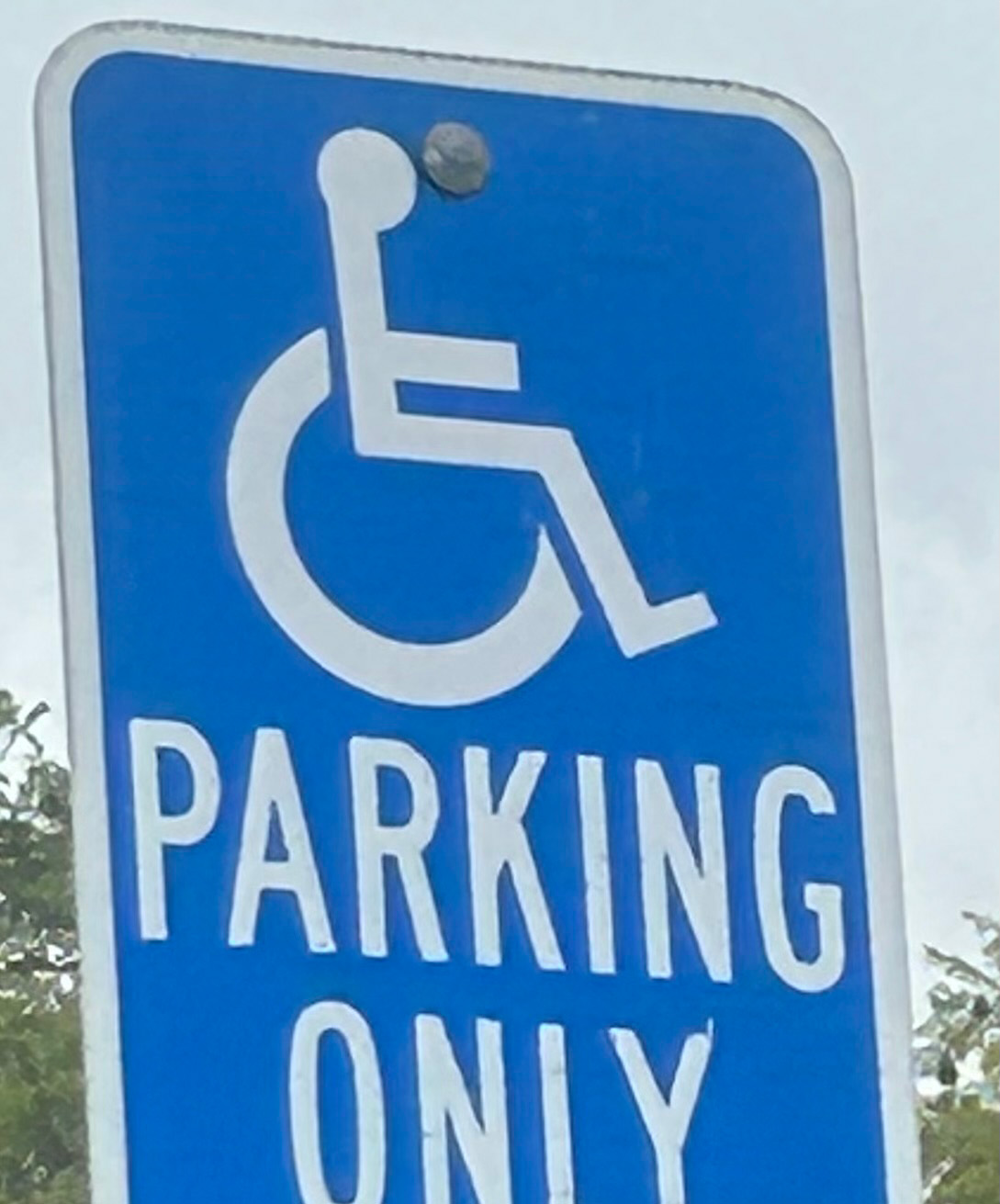
Being in a wheelchair isn’t easy. Especially when this world wasn’t made for wheelchair users like myself. In my day to day life, navigating challenging obstacles can have a negative impact. I never know what the day will bring. Some of the challenges I’ve recently come across are a lack of ramps, handicap parking, bathroom issues, and a lack of stop signs and crosswalks. This isn’t just a safety hazard for disabled individuals but for everyone.
I remember my first year at college when a normal trip to the bus stop ended with me crashing into a tree. It was raining. The stop was crowded with people walking or riding skateboards. I hit the tree so hard that I fell off my wheelchair. Fortunately, two individuals witnessed the accident and helped me back in my chair realizing I was in shock and in pain. It is individuals like these that I’m truly thankful for.
Another source of frustration for wheelchair users is access to handicap restroom stalls. Availability usually depends on whether the automatic button has been kicked in or its connection to the automatic door severed. This makes it difficult for many individuals like myself to gain access in or out of the bathrooms. Another prime example would be the lack of access to ramps around campus. This could be seen as a safety hazard. If there’s an emergency, in this case, the only option we have is to use an evacuation chair. This is if the employee assisting has the training and knowledge to make a safe and successful rescue. More often than not, it’s likely that the employee, school, or company doesn’t have the correct equipment or training. Which as a result, this could potentially be more dangerous than safe.
The ADA has forever changed the way disabled individuals live their lives. The landmark law reshaped the infrastructure and designs of accessible homes, schools and public buildings. But people with disabilities continue to struggle to exist in public spaces.
Even though we are different, our lives should be treated with care. Not pity, disguise or disrespect. Being different doesn’t mean I’m not a person with feeling.
I feel like I’m being disrespected or bullied by society’s expectations of who they believe I should be versus who I want to be. I’ve been taught to stand tall and take the high road. Over the years, I have learned not to let society’s opinions of who I am hurt me because at the end of the day, the only opinion that matters is mine.


